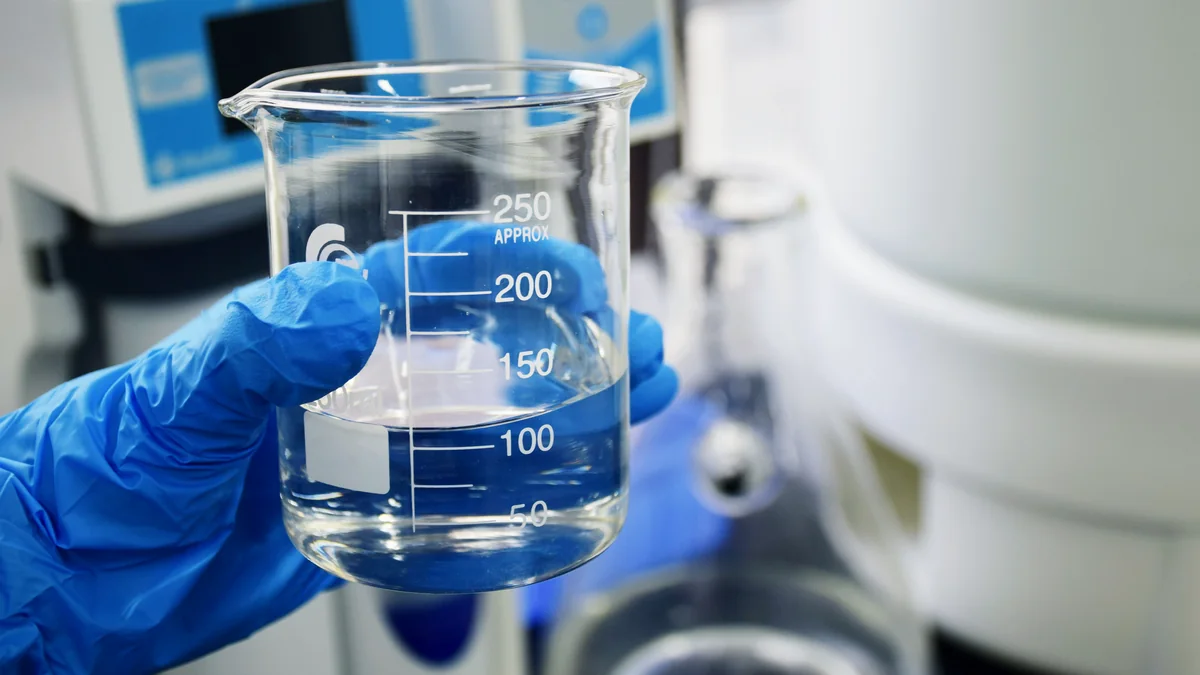
- Pre-filtration prepares water for downstream treatment.
- Cartridge and media filters suit different flows and particle loads.
- Filter selection should be based on water quality and treatment design.
- Pressure, flow and replacement history are useful operational evidence.
Why pre-filtration matters
DWI’s multi-barrier approach uses early treatment stages to prepare water for processes that follow. Filters can remove suspended material that would otherwise interfere with disinfection or foul equipment.
Cartridge filters
DWI guidance notes that many small private supplies use cartridge filters to remove turbidity and suspended material. Record the cartridge type and rating, housing arrangement, pressure or flow observations and the manufacturer’s replacement criteria.
Media filters
Larger supplies or water with a heavier particle load may need a backwashing media filter rather than disposable cartridges. Record the media type, backwash frequency, controller settings, pressure or flow changes and service work.
Protecting UV
DWI emphasises low turbidity before UV because particles can shield microorganisms and foul the quartz sleeve. Where Cryptosporidium is likely to be present and its removal is required, DWI guidance says pre-filtration should achieve turbidity below 1 NTU before UV disinfection. Treatment design still needs to be based on the actual source-water risks and the chosen UV unit.
When filters block quickly
Rapid blockage can indicate a change in source-water turbidity, weather or runoff effects, or a problem with upstream treatment. Record pressure drop, flow and the circumstances around unusually short filter runs rather than simply shortening the replacement interval indefinitely.
Practical checklist
- Identify filter type and rating.
- Record pressure/flow observations.
- Track change or backwash dates.
- Investigate sudden increases in loading.
Frequently asked questions
What micron filter should I use?
There is no universal micron rating. It depends on source quality, flow and the downstream process. Use competent treatment design.
Can a cartridge filter disinfect water?
Ordinary sediment cartridges are not a substitute for an appropriate disinfection process.
Keep the records behind this work together.
Use the free tools or start a 7-day trial to see how sampling, maintenance, actions and documents can sit in one source-to-tap record.
- DWI: Manual on treatment for small water supply systems
- DWI: UV disinfection
- DWI: Physical removal of contaminants
Regulatory guidance can change. Check the current DWI material and your local authority for the position applying to your supply.